
Transform Your Health: Nutrition For Modern Men
Discover science-backed strategies for building lasting healthy eating habits that fuel your body, enhance your performance, and support your long-term wellness journey.
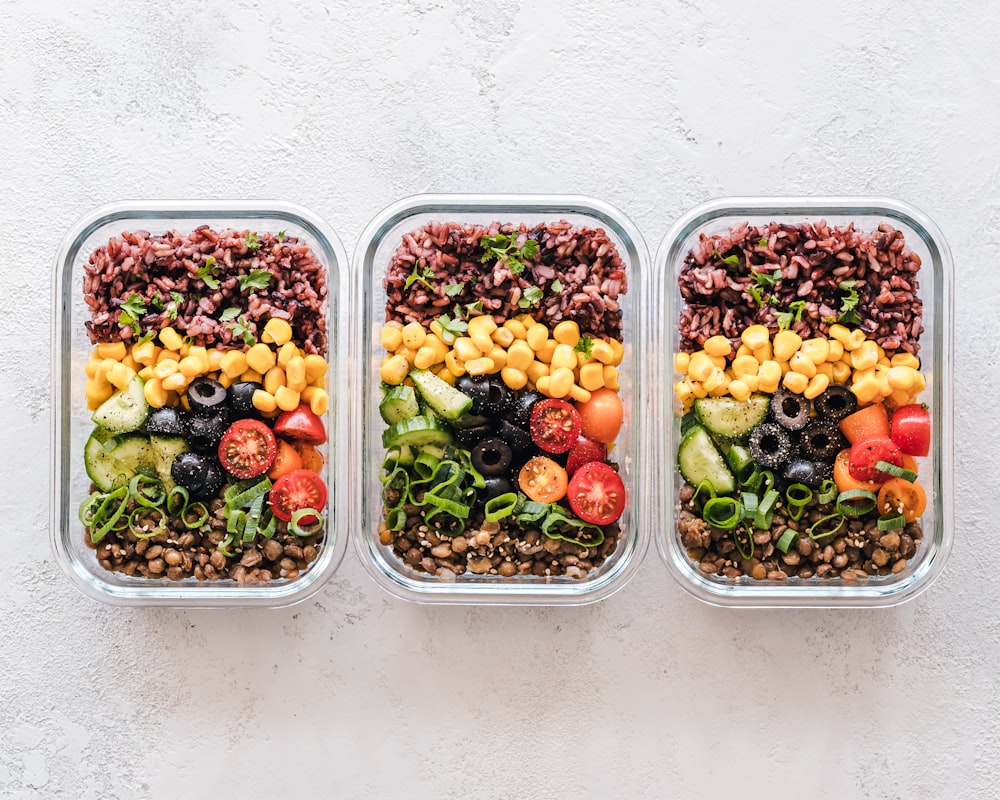
Why Healthy Eating Matters for Men's Performance

Proper nutrition is the foundation of male health and vitality. From maintaining muscle mass and bone density to supporting cardiovascular function and mental clarity, what you eat directly impacts how you feel and perform every single day.
Sustained Energy & Focus
Strategic nutrient timing and balanced macros keep your energy stable throughout the day, supporting both work performance and fitness goals.
Muscle & Strength Development
Adequate protein intake and targeted micronutrients support muscle growth, recovery, and long-term strength development.
Long-Term Wellness
Building sustainable eating habits now prevents future health challenges and supports vitality as you age.
Your 5-Step Journey to Better Nutrition
Assess Your Current Habits
Track what you're currently eating to identify patterns, gaps, and areas for improvement in your daily diet.
Define Clear Goals
Establish specific, realistic nutrition goals aligned with your overall health and performance objectives.
Build a Basic Framework
Create a simple, sustainable eating structure focusing on whole foods, proper macros, and timing that fits your lifestyle.
Implement & Adapt
Start with your plan and make small adjustments based on how you feel, your energy levels, and visible progress.
Sustain & Optimize
Develop long-term eating patterns that become second nature while continuously refining based on ongoing results.
Essential Nutrition Building Blocks
High-Quality Protein
Protein is essential for muscle maintenance, recovery, and countless body functions. Focus on diverse sources: lean meats, fish, eggs, legumes, and dairy to meet your daily requirements and support muscle development.
Complex Carbohydrates
Whole grains, vegetables, and legumes provide sustained energy, fiber for digestive health, and vital micronutrients. These support your workouts, mental performance, and overall metabolic function throughout the day.
Healthy Fats
Omega-3s, olive oil, nuts, and avocados support hormone production, brain function, and cardiovascular health. Quality fats are crucial for nutrient absorption and sustained satiety throughout the day.
Vitamins & Minerals
Micronutrients from colorful vegetables, fruits, and whole foods support immune function, energy production, and bone health. Variety in your diet ensures you're getting the full spectrum of nutrients your body needs.
Hydration
Water is fundamental to every biological process. Proper hydration supports athletic performance, cognitive function, recovery, and overall wellness. Make consistent water intake a non-negotiable daily habit.
Meal Timing & Structure
Consistent meal timing, proper portion control, and strategic nutrient distribution throughout the day optimize digestion, energy levels, and body composition. Develop a routine that aligns with your schedule and goals.
Common Questions About Men's Health & Nutrition
The general recommendation for most men is 0.8 grams of protein per kilogram of body weight as a baseline. However, if you're actively training or focused on muscle development, aim for 1.6 to 2.2 grams per kilogram of body weight. For example, a 180-pound (82 kg) man doing strength training would target approximately 130-180 grams daily. The key is distributing protein evenly throughout the day—roughly 30-40 grams per meal—to optimize muscle protein synthesis and keep you satisfied between meals.
Start small rather than overhauling everything overnight. Pick one or two specific habits to focus on first—like drinking more water, adding vegetables to each meal, or planning meals on Sunday. Track what you're eating for a week to establish a baseline and identify problem areas. Then make incremental improvements: swap one sugary drink for water, add one extra serving of vegetables, or cook one extra home-cooked meal per week. Success comes from consistency, so build habits that fit naturally into your lifestyle rather than fighting against your routine.
Yes, but with important caveats. Muscle building is possible in a modest deficit (500 calories or less below maintenance), particularly if you're new to training or returning after a break. However, the process is slower than eating at maintenance or a surplus. To maximize muscle retention during a deficit, prioritize high protein intake (2+ grams per kilogram), maintain strength training intensity, and ensure adequate recovery. It's often more efficient to focus on building muscle first (slight surplus or maintenance) and then refining body composition later through careful deficit periods.
Restaurant meals don't have to derail your progress. Before going out, check the menu online and decide what you'll order—this prevents impulse choices. Look for grilled or baked proteins, request vegetables instead of fries, and don't hesitate to ask for modifications. Ask for sauces and dressings on the side so you control portions. You can also eat a small, protein-rich snack before going out to avoid arriving hungry. Remember that occasional meals out are fine; consistency matters more than perfection. One restaurant meal weekly won't undo weeks of good eating—your overall pattern is what counts.
Pre-workout nutrition depends on timing. If eating 2-3 hours before: have a balanced meal with protein, carbs, and moderate fat. If eating 30-60 minutes before: choose something lighter and easier to digest—a banana with peanut butter, oats, or toast. Post-workout, consume protein and carbs within a few hours to support recovery and muscle synthesis. This could be a chicken and rice meal, a protein shake with fruit, or greek yogurt with granola. The exact timing matters less than your total daily nutrition, but eating something after training does help with recovery and adaptation.
Real Stories From Our Readers (Individual results may vary and are not guaranteed)
I was constantly exhausted and couldn't figure out why. The articles here helped me understand how meal timing and balanced nutrition directly impact energy levels. Within three weeks of implementing the suggestions, I felt like a different person—more focused at work, stronger in the gym, and sleeping better at night. This wasn't a quick fix; it was an education that transformed how I think about food.
Marcus T.
Jakarta
The step-by-step journey framework took the guesswork out of my nutrition. I've tried restrictive diets before that I couldn't stick with, but this approach is about building sustainable habits. Reading about protein distribution and meal timing finally made sense—not just from a numbers standpoint but from real application. I've been consistent for five months now and the changes are undeniable.
Reza K.
Bandung
As someone who travels constantly for work, I needed practical advice—not theoretical nutrition science. These articles show me exactly how to make smart choices at restaurants, what to keep in my hotel room, and how to maintain consistency without needing a perfectly controlled environment. That level of real-world application made all the difference in my ability to actually follow through.
Adi W.
Surabaya
Ready to Transform Your Nutrition?
Start your journey with detailed articles, practical guides, and evidence-based strategies designed specifically for men. Discover how sustainable eating habits can enhance your energy, performance, and long-term wellness.
Stay Updated With Our Latest Content
Get new articles about nutrition, healthy habits, and men's wellness delivered to your inbox.